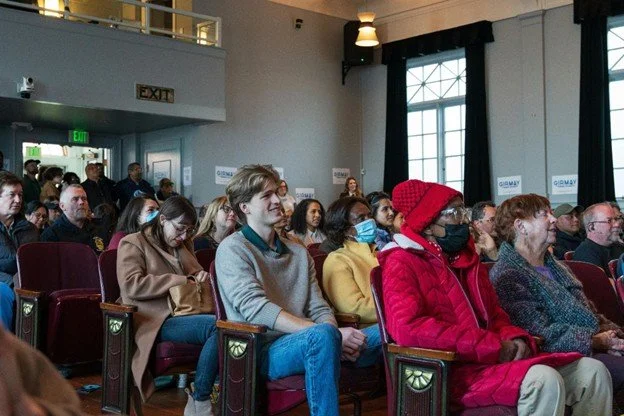
Starting Over, Staying Connected: A Practical Guide for Newcomers to the United States. Spencer Gray
Starting Over, Staying Connected: A Practical Guide for Newcomers to the United States
Recent immigrants to the United States often face a strange mix of excitement and loneliness: you’re building a new life while parts of your heart are still “back home.” That tension is normal. The good news is that community, comfort with culture, and long-distance closeness are all skills—and skills can be practiced.
In a few minutes, you’ll have a plan
● Pick two “roots” (places you’ll return to weekly), like a library and a community center.
● Learn small cultural habits that reduce daily stress: greetings, time expectations, and when to ask questions.
● Protect your relationships back home with a simple rhythm (short, frequent contact beats occasional marathon calls).
● Give yourself permission to feel mixed emotions: missing home doesn’t mean you’re failing to adapt.
Culture shock isn’t a character flaw
Some days you’ll feel confident. Other days you’ll feel tired from tiny decisions: how loudly to speak, whether to hug, when to tip, why the cashier is so friendly, why the email sounds blunt, why the neighbor waves but doesn’t “drop in.”
● Problem: unfamiliar rules (spoken and unspoken) + fewer trusted people nearby
● Practice: steady routines, low-pressure social contact, and asking for clarification without shame
● Result: your brain stops treating everything as an emergency and starts treating life as… life
Where to plug in (and what each place gives you)
Place to connect
What you can do there
Why it helps
Public library
ESL conversation groups (in many areas), job-search help, free events
Low-cost, friendly, and you can show up quietly
Community college / adult education
English classes, certificates, career pathways
Structure + repeated contact with the same people
Faith communities (if relevant)
Services, volunteer teams, social gatherings
Built-in belonging and practical support
Local volunteering
Food banks, parks, schools, mutual aid
You meet people while doing something meaningful
Neighborhood routines
Same walking route, same café, same playground time
Familiarity grows fast through repetition
Education can make your transition steadier
For many newcomers, furthering your education is one of the most direct ways to create stability, expand your network, and increase career options in the U.S. Earning a business degree can also build skills in areas like accounting, business, communications, or management—skills that translate across many industries. Online degree programs can make it easier to keep working full-time and still keep up with classes, which matters when bills don’t pause for school. If you’re exploring that path, this business administration degree program is one example of an online option.
Low-pressure ways to meet people without feeling “salesy”
Try one or two options, not ten at once.
● Join a free local event: library talk, park clean-up, community festival
● Say yes to “small” invitations: a coworker lunch, a school meeting, a neighbor chat
● Find a language exchange (you help with your language; they help with English)
● Choose a “third place” you’ll visit weekly: gym, community center, market, café
● Volunteer in roles that don’t require perfect English (sorting donations, setup, greeting)
If you’re shy, here’s a simple script that works surprisingly well: “Hi, I’m new to the area. Do you have any recommendations for a good place to eat / a safe park / a local event?”
Keeping bonds strong across distance (without burning out)
Staying close to loved ones back home takes intention, especially with time zones and busy schedules. Try a “three-layer” connection:
Daily touch: a short voice note, a photo, a quick message
Weekly anchor: a regular call time (even 20 minutes)
Shared life: a simple shared ritual—watch the same show, cook the same recipe, or send “one good thing” every Sunday
And one important boundary: you’re allowed to say, “I can’t talk about money right now,” or “I need to sleep; can we talk tomorrow?” Long-distance love works better when it doesn’t become a constant crisis hotline.
FAQ
How long does it take to feel “normal” in a new culture?
There isn’t one timeline. Many people feel better in waves: a few months of learning, then a dip, then a rise as routines form. Progress often looks like “I can do more things without thinking so hard.”
What if my English isn’t strong yet?
You can still connect. Start with places where communication is supported: libraries, adult education, community centers, and immigrant-serving organizations. You’re building confidence, not performing perfection.
How do I meet people if I’m working all the time?
Use what you already do: talk to one coworker, shop at the same time weekly, volunteer once a month, and join a short class. Community is often built in small repeats, not big events.
Is it okay to keep my own culture strongly at home?
Yes. Many newcomers thrive when they create a “both/and” life: your language and traditions at home, plus new customs outside. It’s not betrayal; it’s expansion.
One resource worth bookmarking
If you want a practical, official guide to settling in—covering everyday topics like education, health, and life logistics—U.S. Citizenship and Immigration Services (USCIS) publishes Welcome to the United States: A Guide for New Immigrants. It’s written in plain language and organized by real-life needs, so you can skim the sections that match what you’re dealing with right now—like finding a doctor, understanding schools, or getting oriented to local services. A good way to use it is to read one short section per week and jot down the 2–3 action steps that apply to your situation. If you’re helping a spouse, parent, or friend adjust too, it can be useful to read the same section together and compare notes about what feels confusing versus what feels doable.
Conclusion
Building a life in the U.S. is not just paperwork and work—it’s also friendships, routines, and a sense of “I belong somewhere again.” Focus on repeat places, small conversations, and simple rituals that keep you connected to home. You don’t have to choose between your past and your future. With time and practice, you can carry both.